Quick Answer: What is Engineering Paper?
What is engineering paper? Unlike regular notebooks, engineering graph paper prints bold major lines every 1 inch (25 mm) and faint 5x5 or 10x10 minor subdivisions on a green-tinted sheet so your pencil schematics stand out clearly without visual clutter.
Keeping this in view, we built our interactive generator so you can download a crisp 254 DPI printable engineering paper PDF in seconds. Pick your scale, select A4 or US Letter, and print an exact engineering paper printable sheet at 100% scale.

| Specification | Standard Measurement | Practical Drafting Benefit |
|---|---|---|
| Grid Subdivisions | 5x5 (0.20") or 10x10 (0.10") per inch | Lets you convert decimal measurements without a separate scale ruler. |
| Supported Paper Sizes | ISO 216 A4 (210 x 297 mm) & US Letter | Prints edge-to-edge with a clean 10mm margin at 100% Actual Size. |
| Paper Tint & Weight | Green/Buff tint on 70 to 80 GSM bond | Faint grid lines drop out when you scan or photocopy homework at 300 DPI. |
- Why You Should Stop Using Standard Grids for Schematics
- How to Use the Engineering Grid Paper Generator
- Top Applications for Engineering Paper
- Engineering Paper vs Regular Graph Paper: The Real Difference
- Why Engineers Use Green-Tinted Paper
- Save Money: Print Your Own Engineering Paper
- Frequently Asked Questions
Why You Should Stop Using Standard Grids for Schematics
I see many first-year students trying to draw circuit schematics on regular 1/4 inch graph paper. It is a costly mistake. Uniform dark lines clutter your diagram and hide small resistor values or vector arrows.
You need a dedicated engineering grid paper instead. Because the 1-inch major lines are 2.5x thicker than the faint 2mm or 0.1-inch minor lines, your eyes lock onto the main scale immediately while keeping every component aligned.
How to Use the Engineering Grid Paper Generator
Skip the expensive stationery pads. By using our free generator above, you can print engineering paper in less than 10 seconds with these 3 steps:
- 1. Step 1 - Set the Scale: Pick 5 squares per inch (5x5) for mechanical statics or 10 squares per inch (10x10) when you are plotting fine electrical schematics.
- 2. Step 2 - Adjust the Colors: Match the classic pale green or buff tint with our color picker and set line opacity to 40% - your call.
- 3. Step 3 - Download PDF or SVG: Click download to get a razor-sharp engineering paper printable PDF or true SVG vector file.
Generate Your Engineering Grid Now
Need a sheet right now? Open our interactive generator tool above to configure your custom printable engineering paper with thin lines and download a print-ready A4 or US Letter PDF in 5 seconds.
Top Applications for Engineering Paper
Why is using engineering paper standard across technical universities? Below, we have listed the 3 core disciplines that rely on this dual-grid format every day.
| Discipline | Use Case | Recommended Grid Setup |
|---|---|---|
| Electrical Engineering | Drawing PCB layouts and logic circuit schematics. | 10x10 minor squares per inch (2.54 mm). |
| Mechanical Engineering | Drafting machine parts and 2D orthographic projections. | 5x5 minor squares per inch (5 mm metric). |
| Architecture | Scaling floor plans (e.g., 1 inch = 10 feet). | Heavy major grid lines every 1 inch (25.4 mm). |
Engineering Paper vs Regular Graph Paper: The Real Difference
Students ask me about this difference every week. Regular types of graph paper print every single line at the exact same stroke weight, which works for basic school charts but clutters detailed force diagrams.
Engineering grid paper fixes this visual overload immediately. Bold major lines mark every full 1-inch block while the 5 interior subdivisions stay faint, ensuring your dark HB pencil calculations and free-body arrows remain easy to read at a glance.
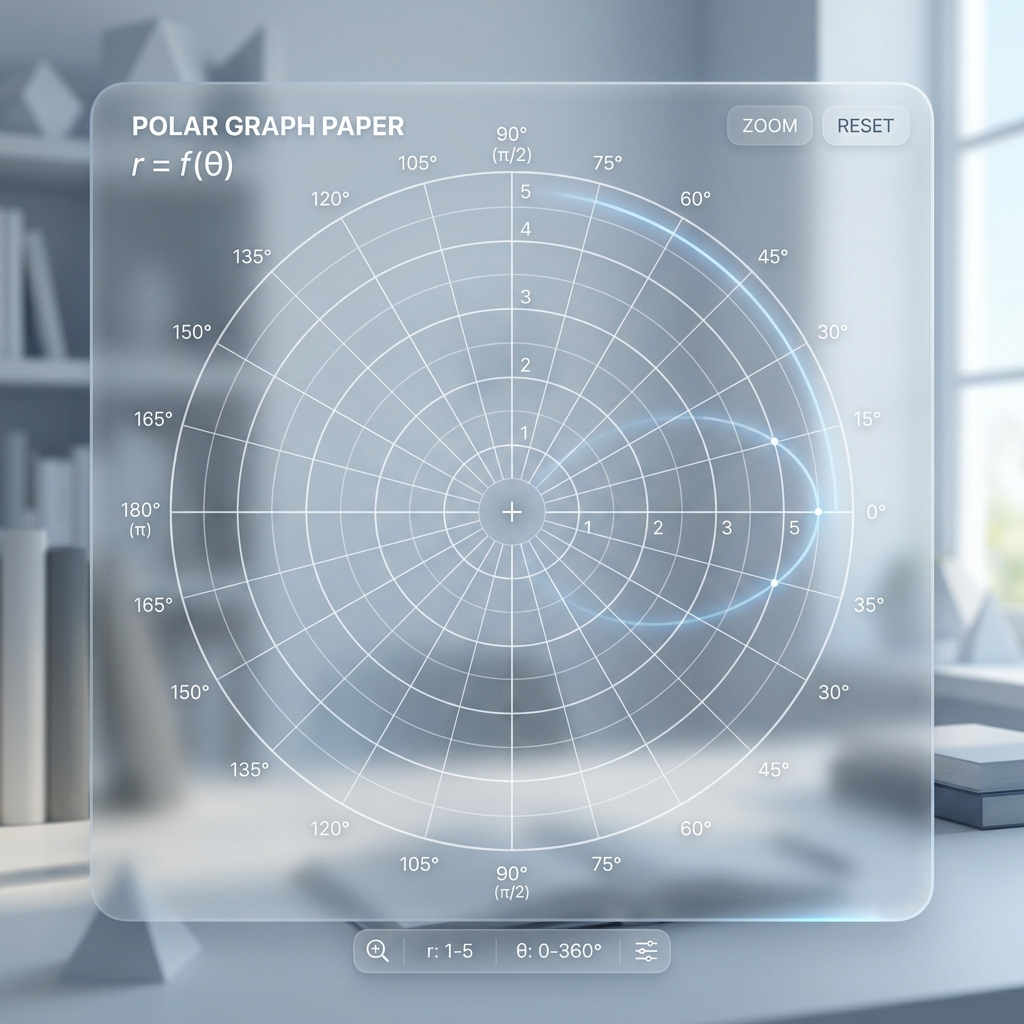
Think of it as a built-in vernier scale. You can measure beam lengths or plot polar vector components without reaching for a plastic ruler during a timed exam.
Why Engineers Use Green-Tinted Paper
Have a look at any classic computation pad. That soft green or buff shade is not just decorative - it is designed to cut glare under bright lab fluorescent lights.
White 90 GSM paper reflects harsh blue light back into your eyes during long 3-hour problem sets. Switching to a muted green tint softens page contrast and keeps your focus on dark graphite lines.
Apart from this, when you scan or photocopy green engineering paper printable sheets at 300 DPI grayscale, the light grid drops out cleanly. Only your handwritten equations and free-body diagrams appear on the final submission.
Save Money: Print Your Own Engineering Paper
A single 100-sheet pad of imported computation paper costs ₹400 to ₹800 at college stationery shops. Active B.Tech students easily go through two pads a month, spending ₹1,600+ every semester just on paper.
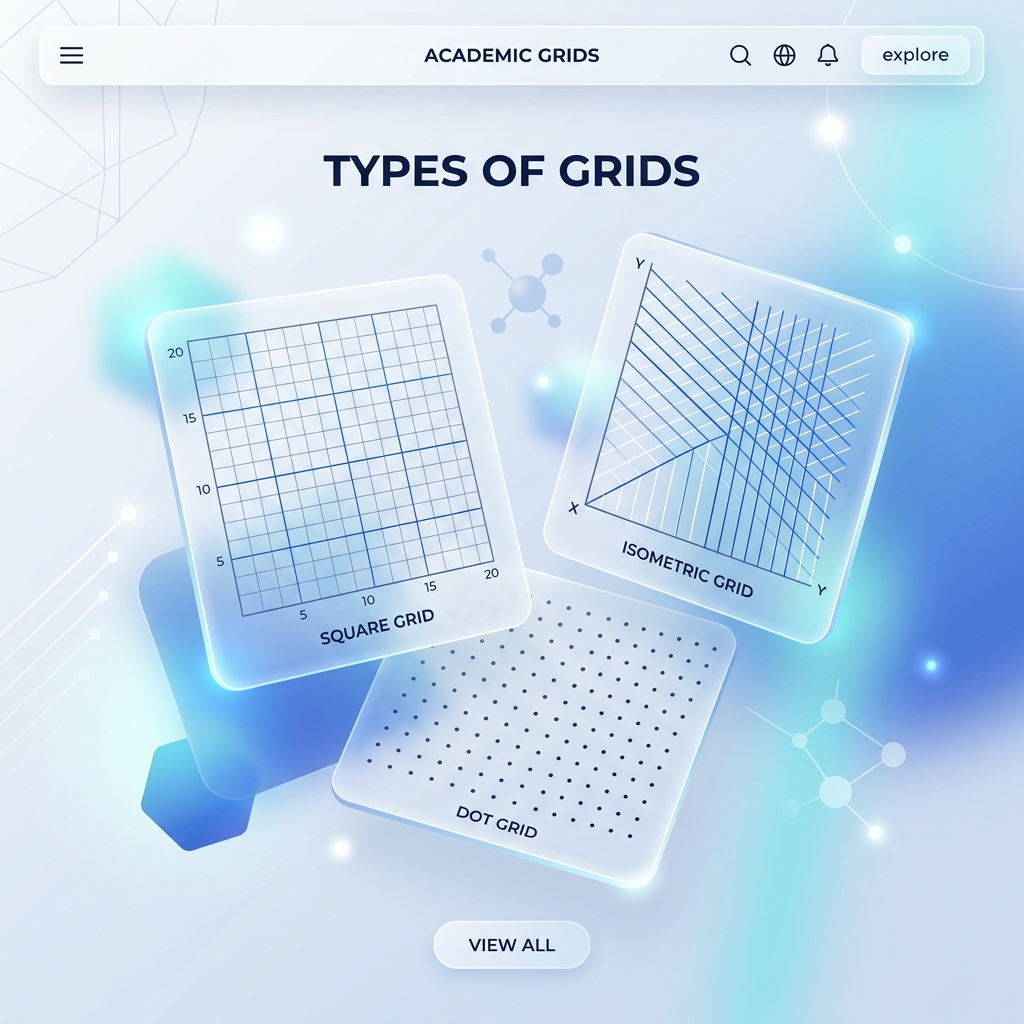
With our tool, you can print engineering paper on standard 75 GSM A4 sheets for less than ₹1 per page. If your assignment also requires 3D views, pair it with our isometric graph paper guide for complete drafting coverage.
Need Engineering Graph Paper Right Now?
Use our free interactive tool to generate custom green-tinted engineering paper with major and minor grid lines. Download your vector PDF in 5 seconds!
Launch Free Graph Paper GeneratorFrequently Asked Questions
1. What is the difference between graph paper and engineering paper?
Standard graph paper prints uniformly weighted lines across the page. Engineering paper uses thick major lines every 1 inch (25.4 mm) and faint 5x5 or 10x10 minor subdivisions inside each block so your technical drawings stay crisp and uncluttered.
2. Why is engineering paper usually green or yellow?
The pale green or buff tint cuts page glare under bright room lighting during long calculation sessions. When you photocopy or scan the sheet, those light grid lines drop out completely, leaving only your dark pencil work visible.
3. How do I print engineering graph paper at exact 5x5 scale on A4?
Select Engineering Grid and 5mm or 1/10 Inch spacing in our generator, download the PDF, and set your printer dialog to Actual Size (100% scale). Never use Fit to Page, as it shrinks your grid squares by 4% to 6%.
4. What GSM paper is best for printing engineering pads at home?
Use 75 GSM to 80 GSM bond paper for everyday pencil calculations and 90 GSM smooth paper if you draw with 0.3mm technical ink pens. Setting line opacity to 30% or 40% mimics traditional back-printed computation pads.