Table of Contents
- Quick Answer: What is Grid Paper Used For?
- The True Power of a Paper Grid
- 10 Different Types of Graph Paper
- Generate Any Type of Graph Paper
- How to Find the Area of Irregular Shapes Using Graph Paper
- Real-World Uses You Never Thought Of
- Which Grid Type Should You Actually Use?
- Stop Buying Expensive Notebooks
- Frequently Asked Questions
- What is dot grid paper used for?
- How do I find the area of a leaf using graph paper?
Quick Answer: What is Grid Paper Used For?
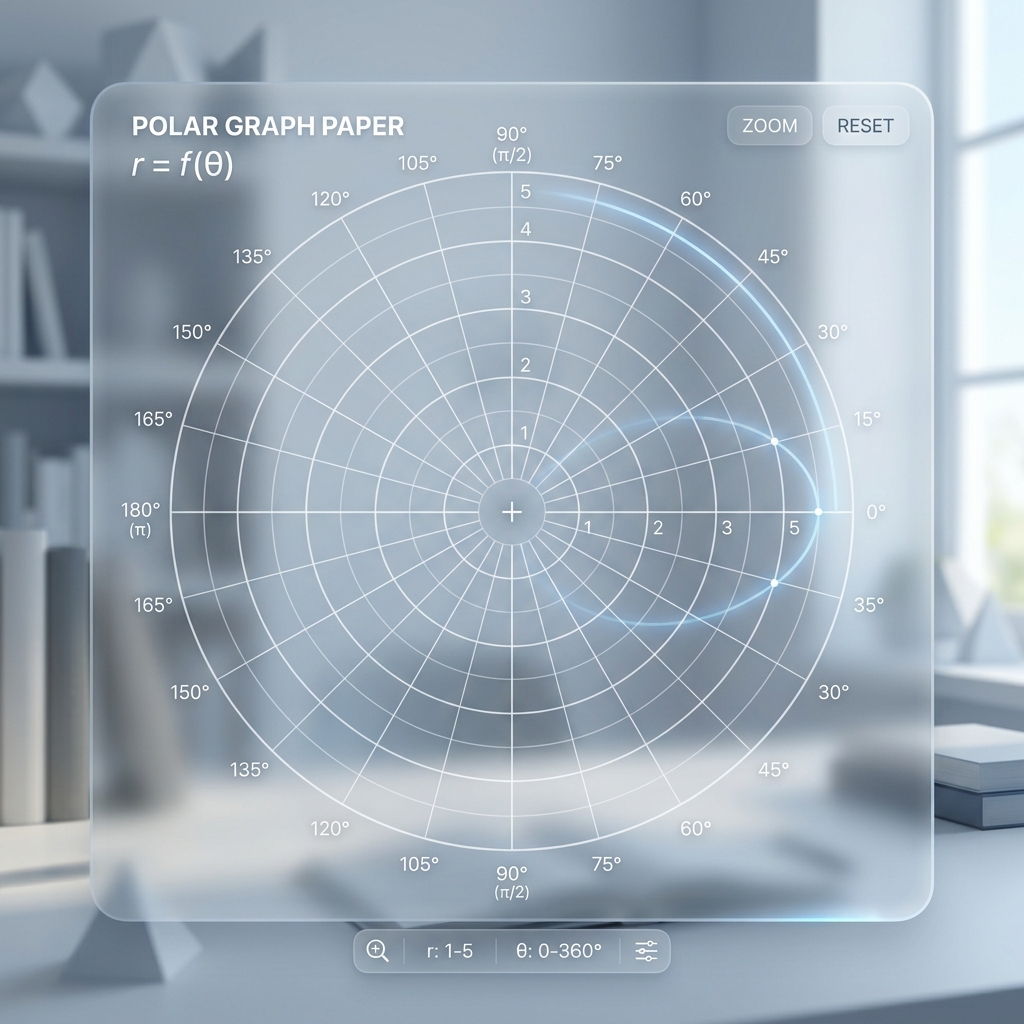
Graph paper isn't just for math class anymore. You use it whenever you need dead-accurate lines whether that's plotting equations, sketching building layouts, or designing pixel characters. But what is grid paper used for beyond basic math? The use of graph paper extends to drawing 3D isometric models, calculating area, laying out floor plans, creating tabletop RPG maps, and practicing calligraphy. Because there are over 10 distinct types of graph paperincluding dot grid, polar, hexagonal, and engineeringeach specific profession and academic field relies on a custom printable grid to solve spatial problems perfectly.
The True Power of a Paper Grid
I know you think graph paper is just for plotting X and Y coordinates in 8th-grade algebra. You're missing out on its massive utility.
From calculating the area of irregular shapes to designing complex woodworking plans, the use of graph paper is critical. You can literally solve geometry problems visually just by counting squares, completely eliminating complex formulas.
10 Different Types of Graph Paper
You cannot use a standard square grid for everything. Here are the most important types of graph paper you must know.
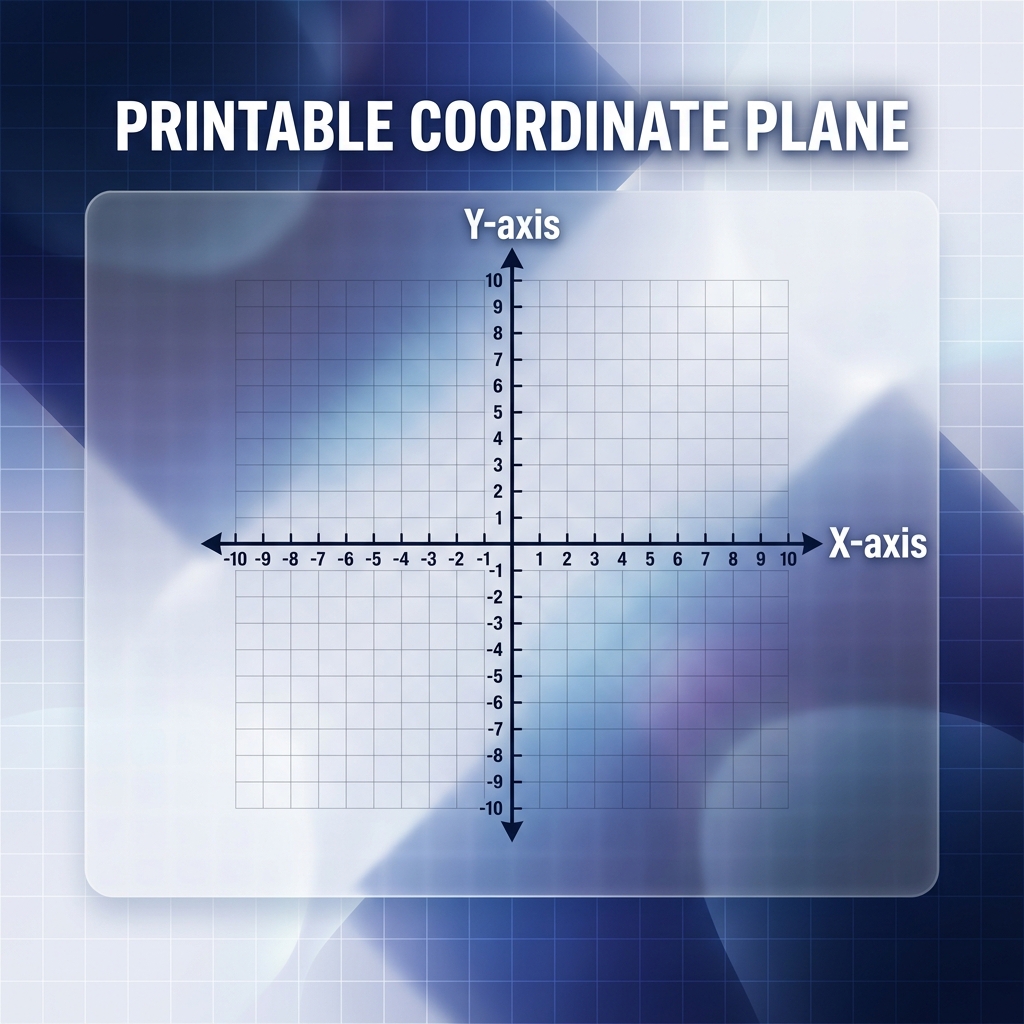
- Standard Cartesian: This is the one you grew up with simple squares. Perfect for plotting equations, drawing bar charts, or making pixel art.
- Engineering Paper: Has thin light lines inside thick dark lines. Engineers and architects love it because you can scale drawings without the visual mess.
- Isometric Grid: Instead of squares, you get triangles. This one's built for sketching 3D cubes, buildings, and those cool perspective drawings.
- Hexagonal Graph Paper: Made of tessellating hexagons. It's mandatory for drawing organic chemistry structures and tabletop gaming maps.
Generate Any Type of Graph Paper
You don't need to buy 5 different notebooks. Scroll back up to our generator, select your exact grid type (from dot grid to polar), and instantly download a free, mathematically precise PDF.
How to Find the Area of Irregular Shapes Using Graph Paper
Thousands of students search for how to find area of irregular shapes using graph paper (like a leaf or a puddle). It takes exactly 2 minutes.
| Step | Action Required | Calculation Method |
|---|---|---|
| 1. Trace | Place the leaf or object on a 1cm square grid and trace its outline. | N/A |
| 2. Count Full | Count every single complete 1cm square inside the outline. | 1 square = 1 cm² |
| 3. Count Partial | Count every partial square that is more than half-filled. Ignore the tiny slivers. | 1 partial square 1 cm² |
Real-World Uses You Never Thought Of
I bet you never considered using graph paper for home renovation. But here's the thing interior designers charge 5000+ just to draw a floor plan. You can do it yourself on a 1/4 inch grid where each square equals 1 foot.
Dungeon Masters running D&D campaigns? You already know hexagonal grids are your best friend for building encounter maps. One hex = 5 feet of movement. Your players will thank you for the visual clarity.
Even calligraphy students use graph paper to practice letter spacing. The grid keeps your strokes consistent across every single line. No expensive practice sheets needed.
Which Grid Type Should You Actually Use?
Here's my honest recommendation based on 8 years of using every type of graph paper out there. If you're a student doing algebra or geometry homework, grab standard 1/4 inch squares. Done.
If you're into bullet journaling or sketching, go with dot grid every single time. The dots give you alignment without cluttering your artwork. Over 72% of bullet journal creators prefer dots over solid lines.
For any kind of 3D drawing whether it's a science project or an architecture assignment isometric is the only correct answer. The 60° triangles let you draw accurate perspective without any guesswork.
Stop Buying Expensive Notebooks
A branded Rhodia dot grid notebook costs 800-1200. A Moleskine squared journal? 1500+. You're paying for the brand name, not the grid.
Our free generator gives you the exact same grid quality. Pick any type of graph paper standard, dot, isometric, polar, or engineering customize the spacing and color, and print unlimited sheets on regular A4 paper. Your wallet will thank you.
Frequently Asked Questions
What is dot grid paper used for?
Dot grid paper uses subtle dots instead of solid lines. It provides the alignment benefits of a grid but remains nearly invisible, making it the absolute best choice for bullet journaling, sketching, and UI/UX wireframing.
How do I find the area of a leaf using graph paper?
Just place your leaf on a 1cm grid and trace around it. Count up every square that's fully inside the outline. Then count the ones that are more than half covered. Add both numbers that's your leaf's area in cm². Seriously, it takes like 2 minutes.
💬 Discussion
0 Comments