Table of Contents
- ⚡ Quick Answer: How Have Math Tools Changed Over Time?
- The Early History of Mathematical Instruments
- The Birth of Coordinate Paper (1794)
- 📚 Did You Know?
- From Physical Paper to Digital Math Learning Tools
- The Modern Era: AI and Digital Generators
- Why Traditional Mathematical Journals are Going Digital
- Conclusion: The Future of Mathematical Tools
- Experience Modern Digital Math Tools
- Frequently Asked Questions
- What tools did mathematicians use before calculators?
- How has technology impacted math education?
⚡ Quick Answer: How Have Math Tools Changed Over Time?
- Antiquity: Physical objects like the abacus and astrolabe for basic counting and celestial navigation.
- 18th Century: The invention of coordinate paper (Dr. Buxton, 1794) allowed for precise geometric drafting.
- 20th Century: Mechanical calculators and slide rules became standard engineering instruments.
- 21st Century: The digital revolution introduced software-based graphing, AI grid assistants, and digital math learning tools.
The history of mathematical instruments is a testament to humanity's relentless pursuit of precision. From ancient counting stones to the complex graphing calculators of the 1990s, the evolution of mathematics tools has fundamentally transformed how we visualize and solve complex problems. Today, digital math learning tools and AI-driven platforms are replacing traditional academic journals and paper-based calculations.
The Early History of Mathematical Instruments
To understand where we are today, we must look back at the origins of computational thinking. Ancient civilizations relied heavily on tangible objects. The abacus, believed to have been used by Babylonians as early as 2400 BC, represents one of the earliest counting frames. Over centuries, these manual devices evolved into more sophisticated instruments like the slide rule, which was critical for engineers and scientists until the late 20th century.
During the Renaissance, the necessity for precise navigation and architectural drafting led to the creation of drafting compasses and protractors. These foundational tools allowed mathematicians to translate abstract equations into visual geometry, laying the groundwork for visual mathematics.
The Birth of Coordinate Paper (1794)
One of the most significant leaps in the evolution of mathematics tools was the invention of printed graph paper. Before standardized grids, mathematicians had to painstakingly draw their own axes and grids using rulers.
Historical records show that the first commercially published "coordinate paper" is attributed to Dr. Buxton of England in 1794. This seemingly simple invention revolutionized engineering, architecture, and mathematics. It provided a universal, standardized canvas for plotting data, drawing electrical schematics, and mapping geographic coordinates.
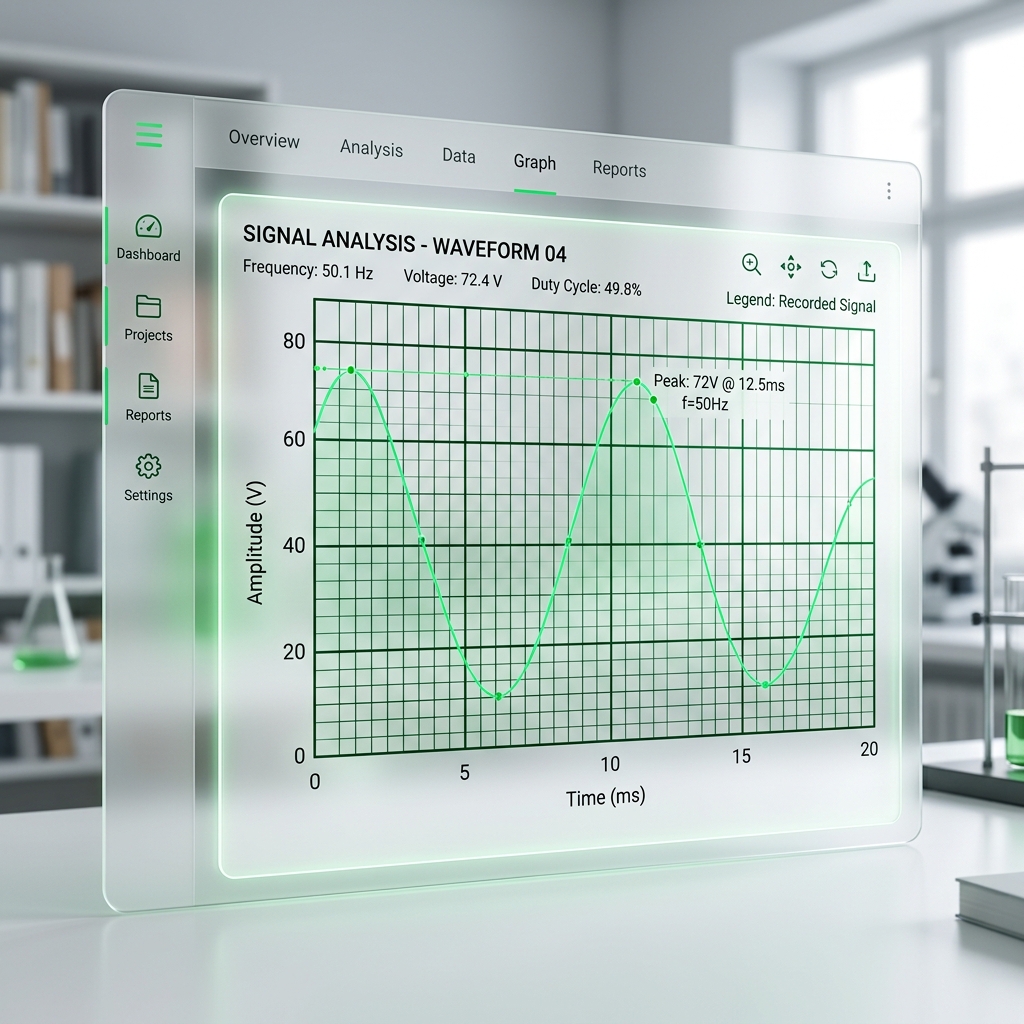
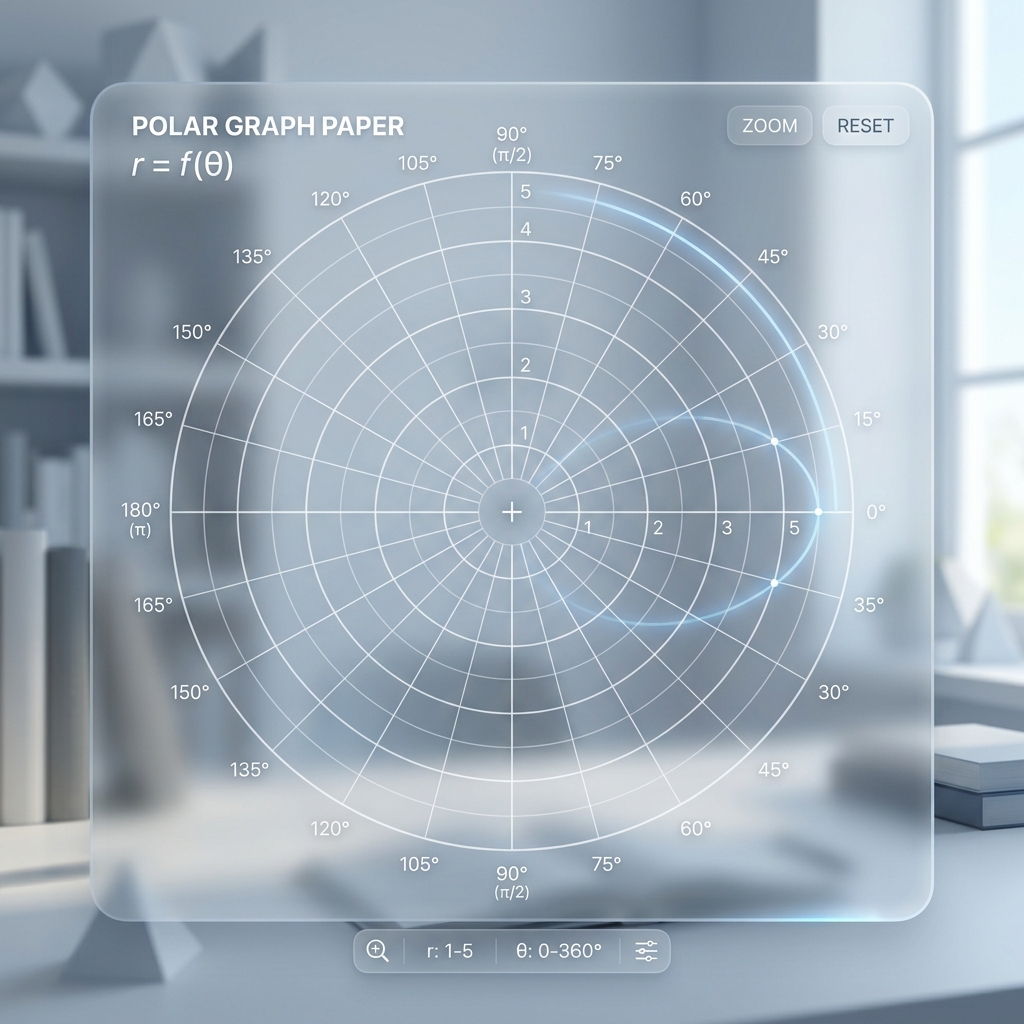
Throughout the 19th and 20th centuries, various types of grid paper were developed to serve specific fields. For example, engineering graph paper became essential for mechanical drafting, while polar graph paper was adopted for physics vectors and advanced calculus involving radians.
📚 Did You Know?
Graph paper became a classroom staple in the United States between 1890 and 1910, driven by the massive expansion of high school education. Before that, only engineers and architects used pre-printed grids.
From Physical Paper to Digital Math Learning Tools
For decades, printed academic journals and physical graph paper were the gold standard for sharing mathematical discoveries. Prestigious institutions and universities disseminated complex theories using printed volumes. However, the limitation of physical media became apparent as computational needs grew exponentially.
The transition from manual to digital mathematical tools accelerated in the 1980s and 1990s with the introduction of electronic graphing calculators and dynamic geometry software. These digital solutions allowed students and professionals to instantly manipulate variables, zoom in on asymptotes, and visualize 3D planes without wasting countless sheets of paper.
The Modern Era: AI and Digital Generators
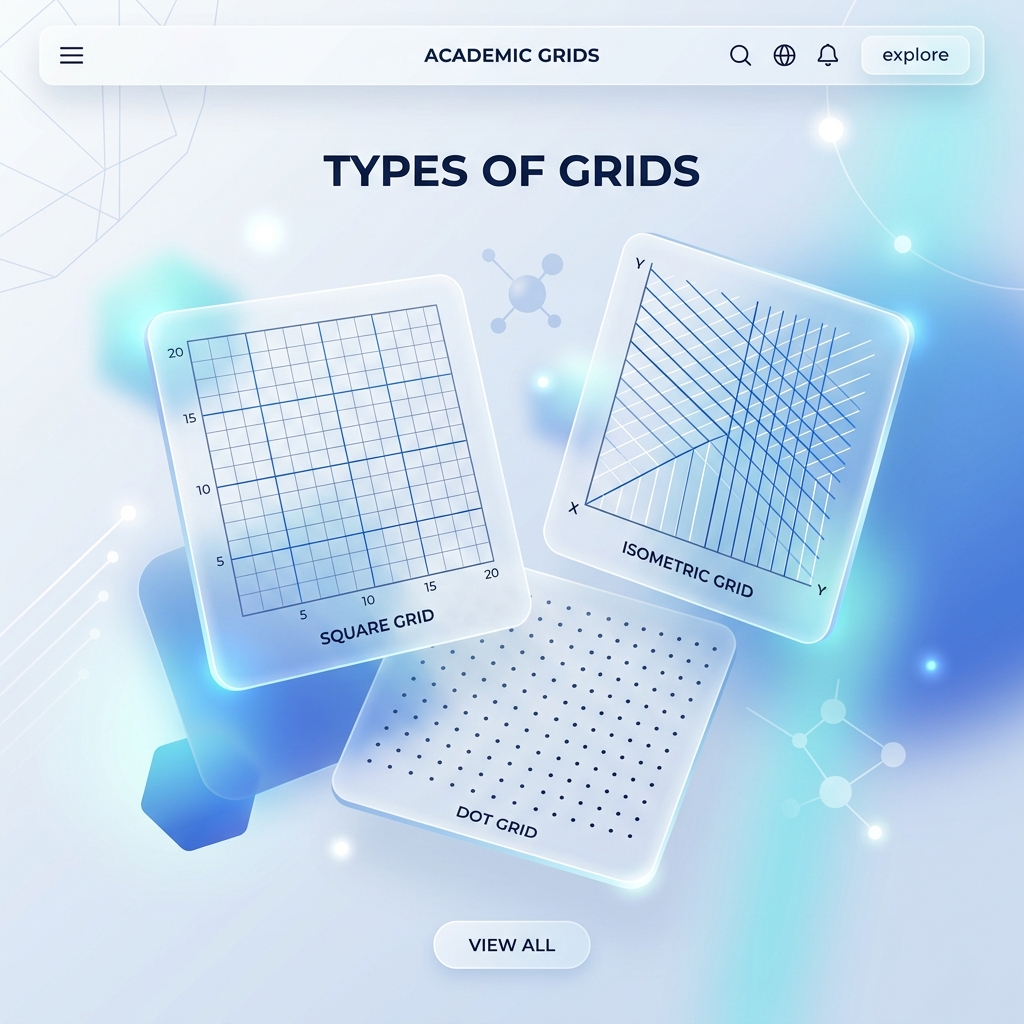
Today, the landscape of math education and professional drafting is entirely digital. Modernizing math pedagogy means giving students instant, customizable access to the grids they need. Instead of purchasing specialized notebooks, users can now utilize an AI Graph Paper Generator to instantly create custom PDFs tailored to their exact specifications - whether they need quarter-inch squares or isometric layouts.
This digital shift offers several massive advantages:
- Accessibility: High-quality drafting templates are available globally for free.
- Customization: Users can adjust grid weights, margin sizes, and colors instantly.
- Environmental Impact: Digital grids reduce paper waste, allowing for infinite digital erasing and rewriting on tablets.
| Era | Key Tool | Primary Use |
|---|---|---|
| 2400 BC | Abacus | Basic arithmetic and trade calculations. |
| 1794 | Coordinate Paper (Dr. Buxton) | Geometric plotting and engineering drafts. |
| 1970s | Handheld Calculator | Instant complex arithmetic for students and engineers. |
| 2020s | AI Graph Paper Generator | Custom, infinite, printable digital grids on demand. |
Why Traditional Mathematical Journals are Going Digital
Just as tools have evolved, so too has the dissemination of mathematical knowledge. Historical academic journals, once printed in massive volumes, have migrated to digital institutional repositories. This digital transition ensures that decades of foundational research in harmonic analysis, sequence spaces, and functional analysis remain globally accessible without the constraints of physical archiving.
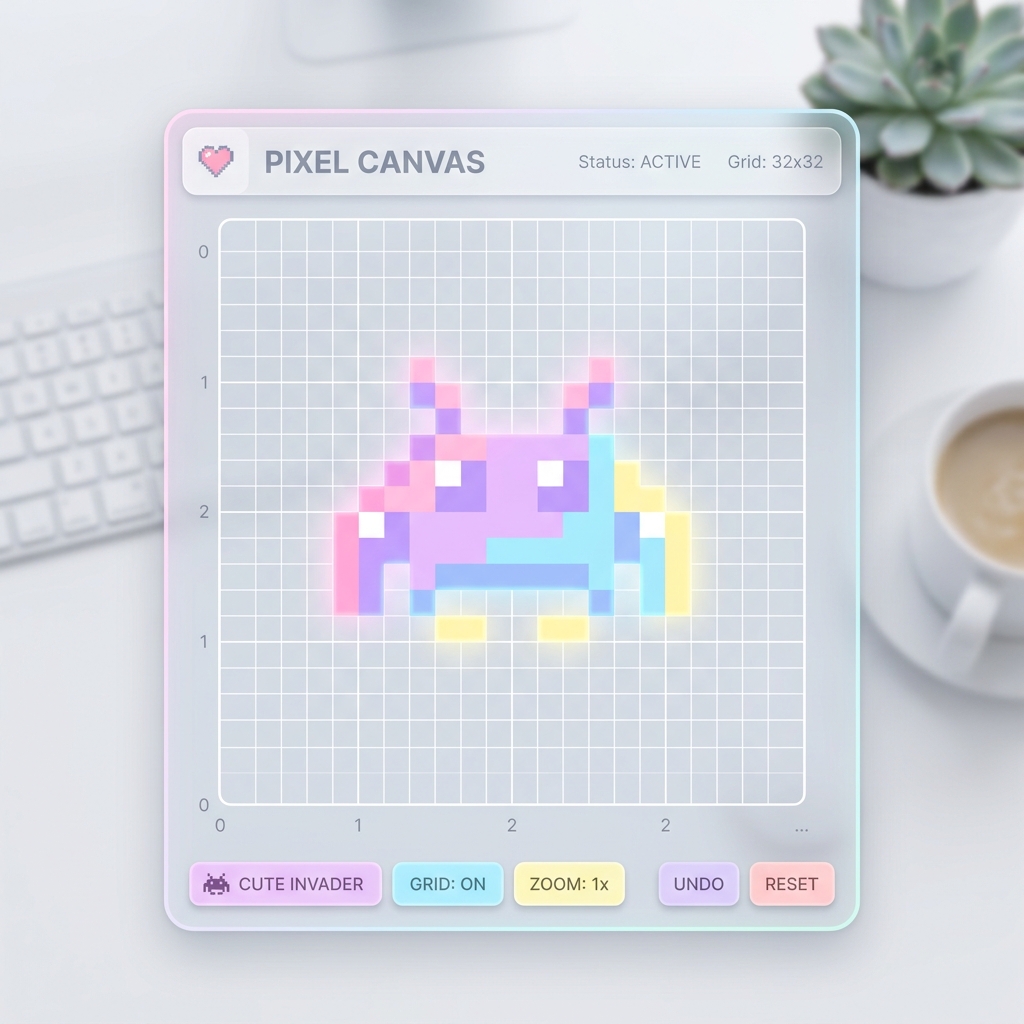
While we no longer rely on physical journals to read groundbreaking papers, the rigorous academic spirit remains. The same precision required by a 1980s mathematics researcher is now supported by advanced software that can calculate and plot data in milliseconds. Students can now learn about integers on a printable number line or create pixel designs using a graph paper pixel art grid.
Conclusion: The Future of Mathematical Tools
The evolution of math tools is far from over. As we look towards the future, the integration of artificial intelligence and augmented reality promises to take spatial reasoning to new heights. However, the foundational concepts - plotting points on an X-Y axis or visualizing polar coordinates - remain unchanged.
Whether you are a student learning to make graph paper in Word or an architect drafting a complex blueprint, the tools we use shape how we understand the world. The journey from Dr. Buxton's 1794 coordinate paper to today's instant digital grid generators is a perfect example of human innovation making complex mathematics accessible to everyone.
Experience Modern Digital Math Tools
Don't rely on pre-printed pads. Create exact, precise, and customizable graph paper tailored to your engineering or educational needs.
Launch Free Graph Paper GeneratorFrequently Asked Questions
What tools did mathematicians use before calculators?
Before calculators, mathematicians relied on physical instruments such as the abacus (dating to 2400 BC), slide rules, drafting compasses, protractors, and printed coordinate paper (invented by Dr. Buxton in 1794). These tools allowed for manual arithmetic, geometric construction, and data plotting.
How has technology impacted math education?
Technology has revolutionized math education by providing instant access to digital graphing tools, interactive simulations, and AI-powered assistants. Students can now generate custom graph paper, visualize 3D functions, and receive real-time feedback on equations - all from a web browser.
💬 Discussion
0 Comments